

A Decade After the Ice Bucket Challenge: Progress in ALS Research
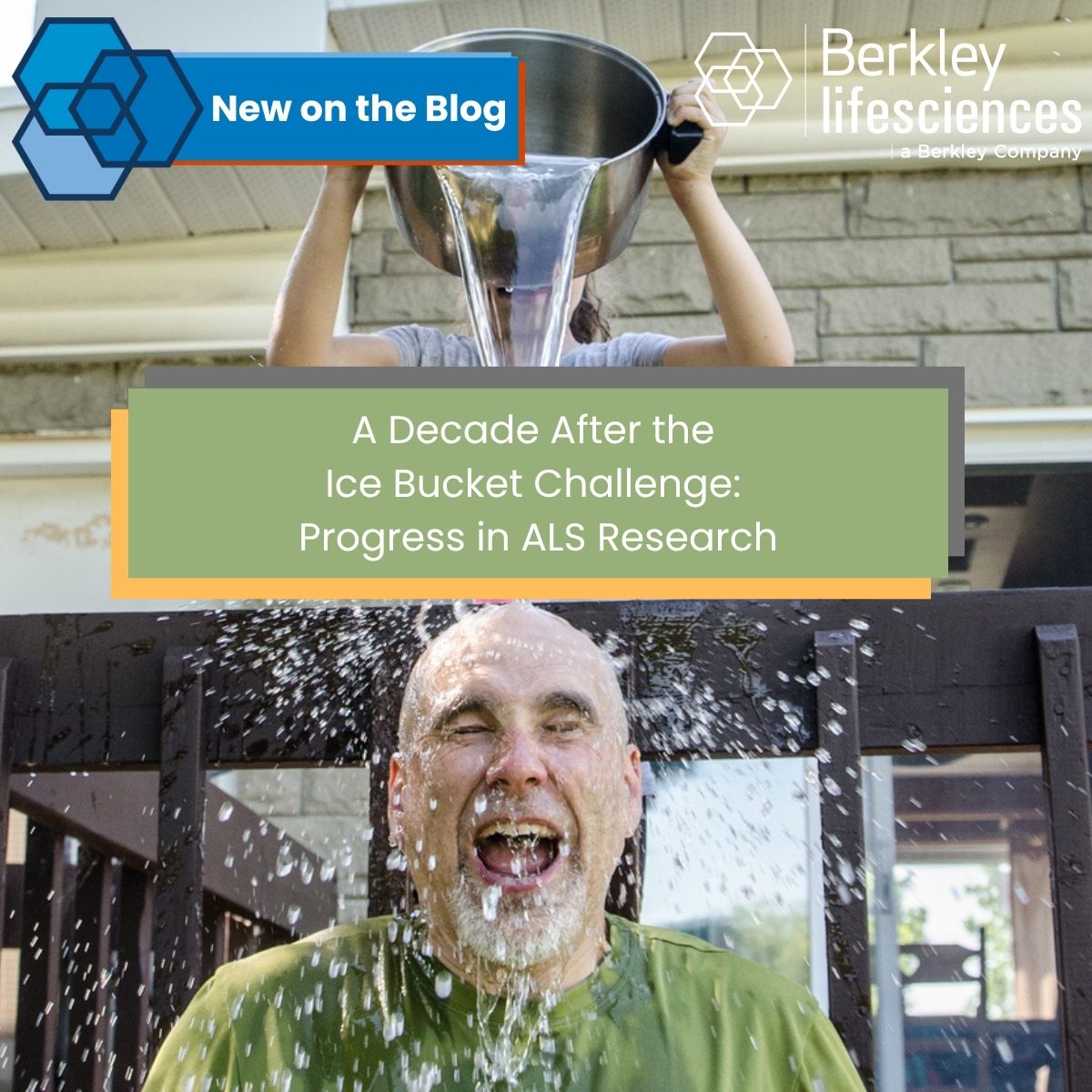
More than a decade after millions of people, from movie stars and athletes to everyday individuals, dumped ice water over their heads in support of amyotrophic lateral sclerosis (ALS), the movement’s long-term impact on research, care, and public awareness is becoming clear.
The 2014 Ice Bucket Challenge became one of the most successful health-awareness campaigns in recent history. Through the ALS Association alone, it raised $115 million for research, care, and advocacy. In the following decade, the organization awarded $155 million in grants across 560 projects.
ALS remains a complex and devastating disease, and there is still no cure. However, recent advances in clinical-trial design, genetically targeted therapies, and biomarker research, energized in part by viral public awareness and generous support, are providing scientists with new ways to study and treat the disease and fueling optimism about further progress.
What Is ALS?
ALS, sometimes called “Lou Gehrig’s disease,” is a progressive neurodegenerative disease that damages the nerve cells responsible for voluntary muscle movement. As motor neurons deteriorate, the brain gradually loses its ability to initiate and control activities such as walking, speaking, swallowing, and breathing.
Symptoms and progression vary among individuals. Limb-onset ALS is the most common form and initially affects the arms or legs, causing weakness, difficulty walking, or problems completing routine tasks. Bulbar-onset ALS, on the other hand, first affects muscles involved in speech, chewing, and swallowing. Over time, either form can spread and affect additional parts of the body.
Beyond its physical effects, ALS can also place substantial emotional and caregiving burdens on individuals and families as the disease progresses and needs intensify.
What Makes ALS So Difficult to Treat?
ALS is difficult to treat in part because it is highly heterogeneous, meaning that it does not arise or progress in exactly the same way for everyone. Only approximately 10% to 15% of cases are considered familial, where the patient’s family carries a known history of ALS. Most cases are classified as sporadic because the person has no known family history of the disease. Genetics can contribute to both forms, however, and an ALS-associated genetic mutation may be identified in some people whose disease is classified as sporadic.
Researchers still have limited understanding of the underlying factors, causes, or biological processes that would explain most ALS cases. Different genetic variants, cellular pathways, environmental factors, disease mechanisms, and rates of progression may be involved, making it difficult to develop a single treatment that will work consistently and effectively across patient populations.
Nevertheless, recent scientific advances and innovations are helping researchers gain a better understanding of ALS and bridge the gaps.
New Approaches to Clinical Trials
Traditional clinical trials generally evaluate one potential treatment at a time. This process can require separate infrastructure, recruitment, control groups, and regulatory planning for every investigational therapy.
Platform trials offer a different approach. They use a shared trial structure to evaluate multiple potential treatments either simultaneously or sequentially. Investigational products may be added or discontinued as evidence develops, and some regimens can share control-group data. This structure may reduce the number of participants assigned to placebo and allow researchers to evaluate therapies more efficiently.
The HEALEY ALS Platform Trial, launched in 2020, was the first platform trial of its kind for people living with ALS. During its first five years, the platform tested seven investigational products, more than might typically be evaluated through separate conventional trials during the same period. Its adaptive design allows researchers to incorporate new information and add investigational products as they become available.
The platform-trial model does not guarantee that a potential therapy will prove safe or effective. It does, however, provide a more flexible research structure for studying multiple treatments in a disease, such as ALS, for which new options remain urgently needed.
The Development of Targeted Therapies
One important development in targeted ALS treatment was the FDA’s 2023 accelerated approval of Qalsody, or tofersen, for adults with ALS associated with a mutation in the superoxide dismutase 1 (SOD1) gene. The FDA estimates that SOD1 mutations are associated with approximately 2% of ALS cases. Qalsody is an antisense oligonucleotide therapy designed to reduce SOD1 protein production by targeting SOD1 messenger RNA.
The FDA based its accelerated approval on the treatment’s reduction of plasma neurofilament light (NfL), a blood-based biomarker of nerve injury and neurodegeneration. The agency determined that the NfL reduction was reasonably likely to predict clinical benefit. Continued approval may depend on verification of clinical benefit in confirmatory trials.
The approval illustrates the potential of precision medicine in ALS. Rather than treating every person with ALS as part of a single population, researchers may be able to develop therapies directed at particular genetic variants or disease pathways. The approach may not be a solution for every patient, but it could offer more targeted options for defined groups.
The Potential of Biomarkers
Another promising development is research into blood-based biomarkers that may help estimate when symptoms could emerge in some individuals with elevated genetic risk.
Biomarkers are measurable biological characteristics that may provide information about the presence, progression, or likely development of a disease. In ALS research, reliable biomarkers could help investigators identify appropriate clinical-trial participants, monitor biological changes, evaluate whether a treatment is affecting its intended target, and potentially study interventions earlier in the disease process.
In a 2026 NIH-funded study, researchers analyzed levels of more than 5,000 proteins in plasma samples from 137 participants enrolled in the long-running Pre-symptomatic Familial ALS study. Thirty-three participants developed clinical manifestations of ALS or frontotemporal dementia. Researchers identified 92 proteins whose levels differed before symptoms emerged and used machine-learning methods to evaluate combinations of proteins that could help predict when symptoms might begin.
A model developed from a smaller panel of proteins estimated the timing of symptom onset with an average error of approximately 18 months. The findings do not establish a general diagnostic test for ALS, and additional research will be necessary to validate and apply them. They may, however, help researchers identify appropriate participants for prevention-oriented trials and evaluate potential treatments before irreversible motor-neuron damage becomes extensive.
Biomarker research also played an important role in the accelerated approval of Qalsody. Together, these developments demonstrate how biological measurements may increasingly support both ALS research and regulatory evaluation, even as researchers continue working to establish their relationship to meaningful clinical outcomes.
Looking Ahead
Although ALS remains one of the most complex neurological diseases to treat, recent advances have expanded researchers’ understanding of its causes and biological mechanisms. Innovative trial designs, genetically targeted therapies, and emerging biomarkers now provide additional tools for studying the disease and evaluating potential treatments.
Even with this progress, important limitations remain. ALS is not a single disease pathway, and advances that benefit one group of patients may not apply to others. Investigational therapies must still undergo careful evaluation, accelerated approvals require appropriate follow-up, and promising biomarkers must be validated before they can be used more broadly.
A cure has not yet been found, but sustained research investment, public awareness, and scientific collaboration continue to support the search for more effective treatments. The Ice Bucket Challenge demonstrates how public engagement can expand resources for research and care. The progress that follows depends on the careful and sustained scientific work those resources make possible.
Authored by Luke Foley, Berkley Life Sciences Summer Intern