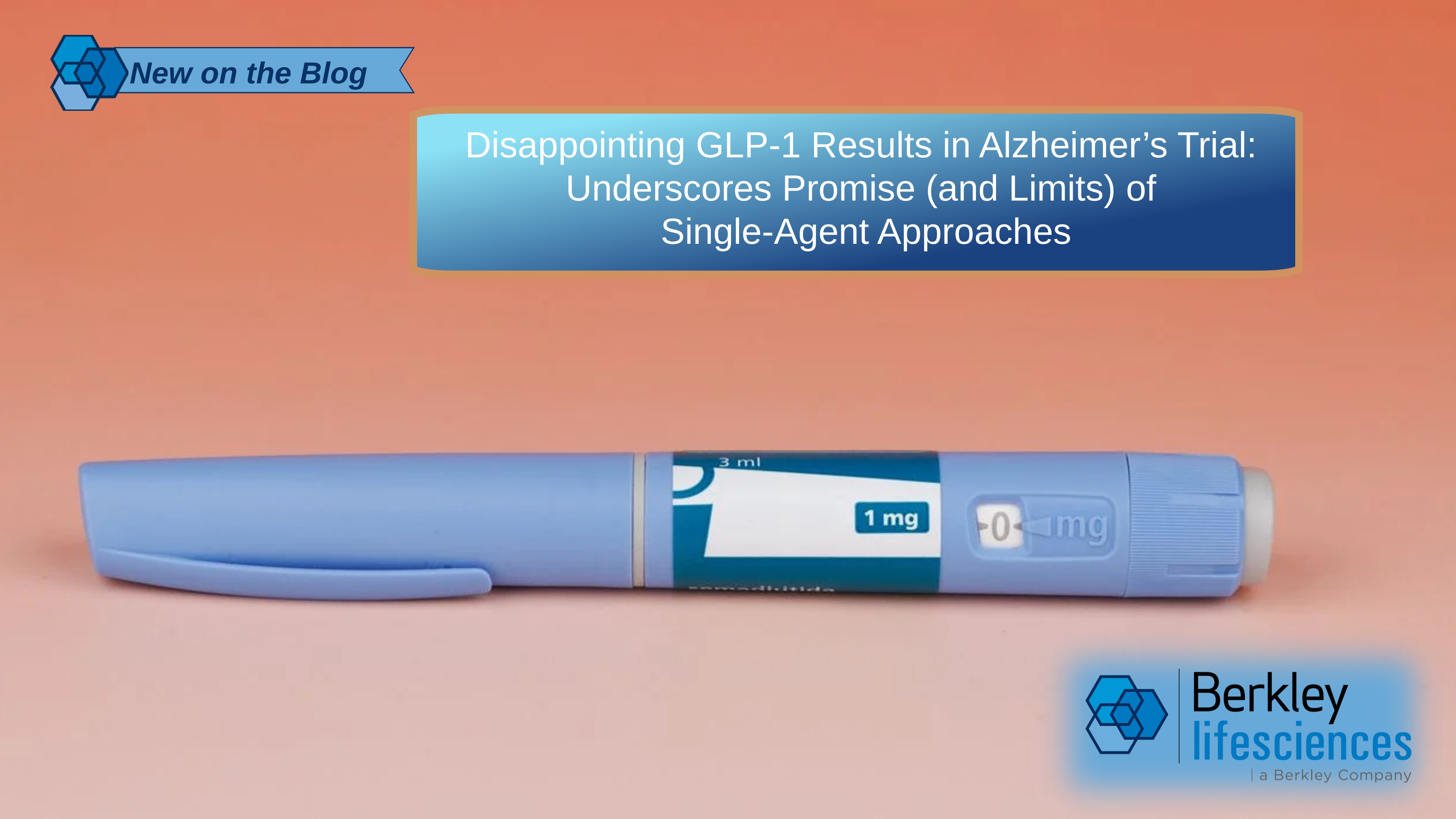
Disappointing GLP-1 Results in Alzheimer’s Trial: Underscores Promise (and Limits) of Single-Agent Approaches

Scientists have studied Alzheimer’s disease for over a century, since Alois Alzheimer’s initial description of brain abnormalities in a patient with presenile dementia. Today, amyloid‑beta plaques and tau tangles are recognized as hallmarks of the disease, though its causes are complex and multifactorial.
Read More
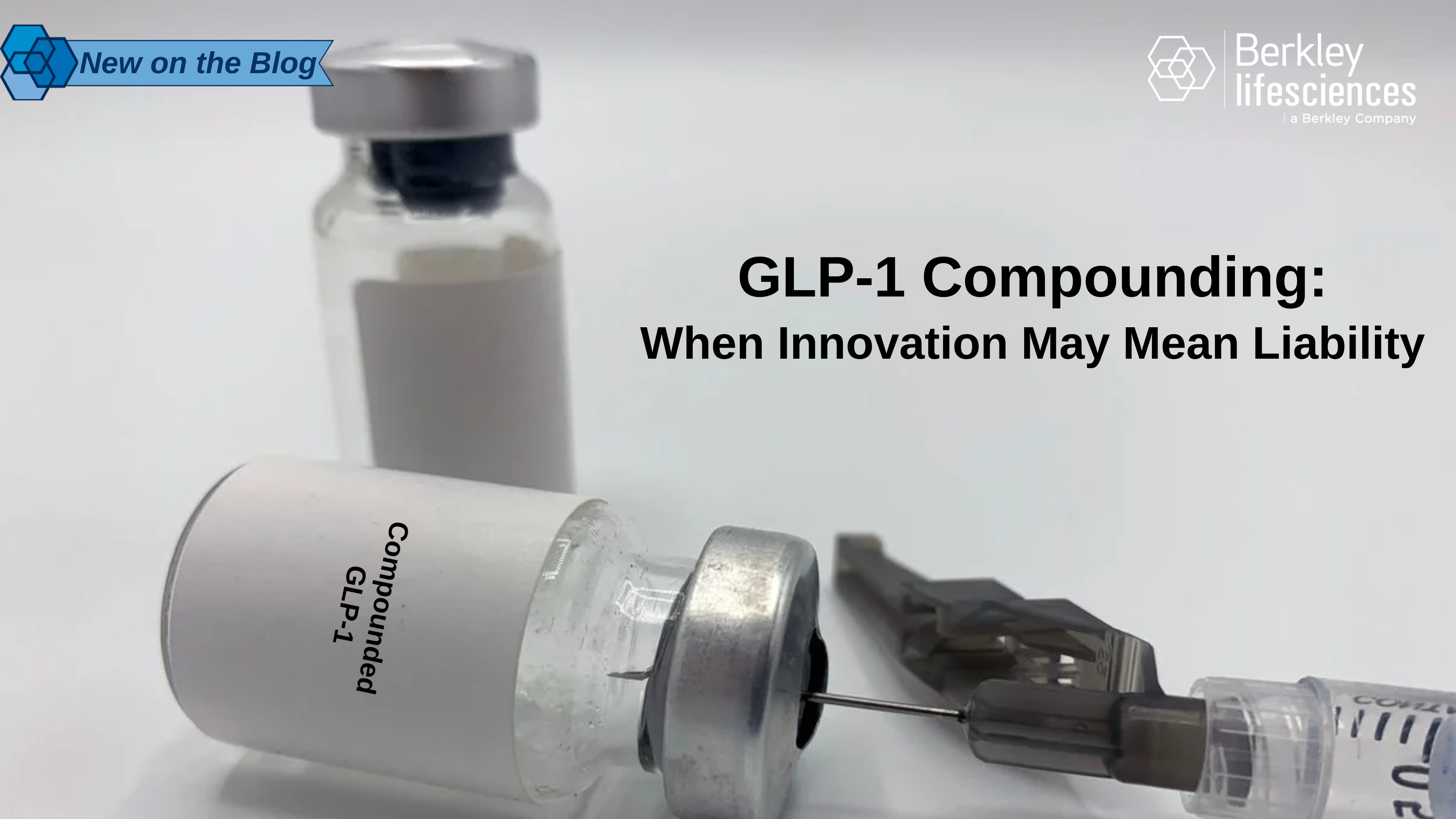
GLP-1 Medications – FDA Guidance and Compounded Products

Not long ago, few outside the medical community had heard of semaglutide and tirzepatide—two drugs in the GLP-1 (glucagon-like peptide-1) receptor agonist class, approved for diabetes management. The medications work by decreasing caloric intake through mimicking the natural hormone GLP-1 normally released in the gut after eating. The GLP-1 agonists bind to receptors in the brain, pancreas and intestines, which helps to regulate insulin release, lower blood sugar levels, slow down digestion, and reduce appetite.
Read More
Opens in new tab Opens email app